


Clinical Scalp & Follicle Assessment
Hair loss is not always visible at the surface in its early stages. Receding hairline, thinning density, and increased shedding may begin with changes inside the follicle long before the scalp becomes obviously exposed.
The STRAND+™ Clinical Scalp & Follicle Assessment is designed to evaluate hair density, scalp condition, follicle miniaturisation, hairline recession, and possible contributing factors behind progressive hair loss.

Why Assessment Comes Before Treatment
Not all hair loss is the same. Two people may show similar thinning at the hairline, but the underlying follicle condition can be very different.
In early-stage hair loss, follicles may still be active but beginning to miniaturise. In more advanced stages, follicles may become significantly weakened or inactive, making treatment planning more limited.
A clinical scalp assessment helps identify what stage your hair loss is in and whether non-surgical hair loss treatment support may still be appropriate.
What We Assess
The assessment is designed to build a clearer picture of your scalp, follicle activity, and hair loss pattern.
Evaluation of scalp coverage and visible density across key thinning areas.
1
Hair Density
Assessment of hair thickness variation, which may indicate early follicle miniaturisation.
2
Hair Shaft Diameter
Review of frontal hairline position, temple recession, and M-shaped hairline pattern.
3
Hairline Recession
Evaluation of redness, oil imbalance, dryness, sensitivity, flaking, or inflammation.
4
Scalp Condition
Assessment of whether follicles are producing thinner, shorter, or weaker hair strands.
5
Follicle Miniaturisation
6
Possible Contributing Factors
Review of lifestyle, shedding pattern, family history, and where appropriate, systemic factors such as nutrition or hormones.
Mapping Your Hair Loss Stage
Hair loss usually progresses in stages. Understanding where you are in the process helps determine what treatment options may still be suitable.

Early Stage
Hairline begins to recede, hair strands may become finer, and density may start to reduce around the temples. Follicles may still retain meaningful activity.
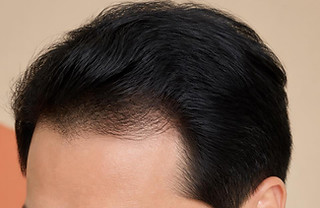
Moderate Stage
M-shaped recession becomes more visible, scalp exposure increases, and hair shaft diameter variation becomes more noticeable. Follicle miniaturisation may be more active.

Advanced Stage
Scalp exposure becomes more significant, density is reduced across larger areas, and some follicles may be inactive or severely miniaturised. Treatment planning may require a broader medical review.
The earlier hair loss is assessed, the more options may remain available.

What You Receive After Assessment
After the assessment, you will receive a clearer understanding of your current hair and scalp condition, as well as the next steps that may be suitable for your situation.
Your assessment may include:
-
A review of your hair loss stage
-
Hairline and scalp condition observations
-
Identification of possible follicle miniaturisation
-
Discussion of contributing factors
-
Suitability review for STRAND+™ treatment
-
Personalised recommendations for in-clinic and home maintenance options

Who Should Consider a Scalp Assessment?
A clinical scalp and follicle assessment may be useful if you are unsure whether your hair loss is temporary, progressive, hormonal, scalp-related, or linked to follicle miniaturisation.
You may benefit from an assessment if you notice:
-
A receding hairline or higher forehead
-
M-shaped hairline recession
-
More visible scalp under light
-
Increased shedding during washing or styling
-
Thinner, softer, or weaker hair strands
-
Reduced density around the crown or temples
-
Oily, itchy, sensitive, or inflamed scalp
-
Family history of male pattern hair loss
-
Previous treatments with limited response

